April 2025
Project Update
Welcome back to the City Food Policy Project’s quarterly update. While so much can feel uncertain at times, one constant in the northeast is that April means spring greens, whether sweet and over-wintered, perennial or foraged, and all indicate that a new growing season is upon us and farmers are back planting their fields.
The CFPP team spent the winter continuing to translate information gleaned during our edible bean supply chain interviews, relying once again on our farmer advisors to validate the information and to fill knowledge gaps. This information forms the basis for our modeling work – understand how farmers and supply chain businesses make decisions to respond to new markets, for example. We’ve also gone back to processors and distributors to ask additional questions, ensuring that we are truly capturing all aspects of the journey from field to plate, by month, by actor-type.
We also leaned heavily into our cabbage and leafy green work, hosting two focus groups:
- The NYS Department of Agriculture and Markets’ Division of Agricultural Economic Development hosted our Leafy Green Focus Group in Albany on March 13th. We were joined by farm businesses in eastern and central NY that sell through retail and wholesale markets, grow certified organic and conventional products, produce using outdoor and controlled environment methods, and who work to aggregate dozens of other area farms for institutional sales.
- The Orleans County Office of Cornell Cooperative Extension hosted our Cabbage Focus Group in Albion, NY on March 31st. Western New York is the epicenter of cabbage production in the state. We were joined by long-time growers and by those in the next generation looking to identify new market opportunities.
From the conversations with farmers in both of these focus groups we identified common barriers across commodity associated with sales to New York City’s institutional markets as well as those that are unique to each commodity and region. The two largest issues that were common across each group include: farmers are price takers, not price makers; transportation into New York City can be incredibly complicated and costly. But, there are opportunities if products can be forward contracted, if markets can be consistent; consistency seems to be more important than price in farmer decisions to access new institutional markets. For cabbage growers, markets in Chicago and Kentucky are much more feasible and profitable than those in Brooklyn and Manhattan, largely due to opportunities to find back haul opportunities (most produce travels from West to East in the US so truck drivers are looking for product to take on their return from East to West). For the leafy green growers, we learned that insurance coverage is becoming more difficult given foodborne illness outbreaks associated with romaine lettuce in recent years. Below are the two supply chain maps that detail the steps of how cabbage and “salad bar” leafy greens arrive on NYC eaters’ plates.

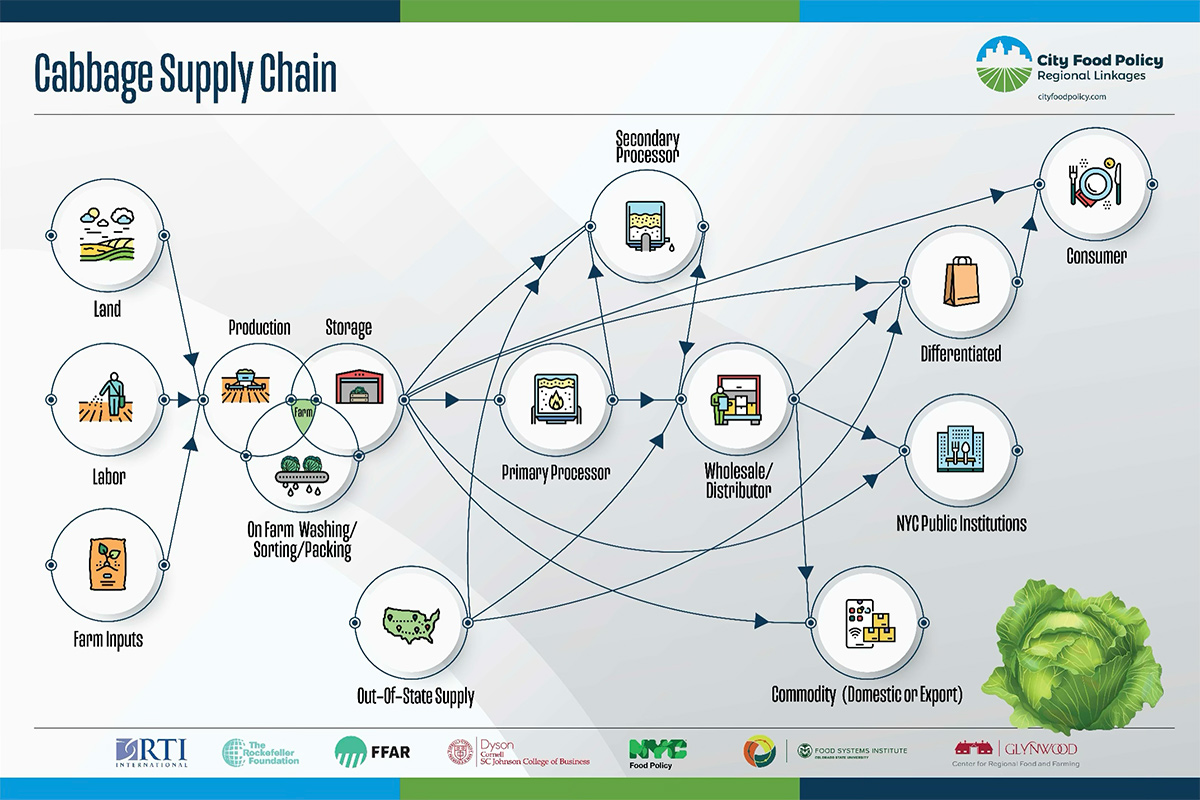
In the next quarter we will interview the supply chain actors that bring these two products into NYC, shred cabbage into coleslaw, wash and pack greens, and who bid on NYC’s largest contracts. This will complete the data collection component of the City Food Policy Project. We will continue to lean on these advisors, just as we did with the edible beans, and we will report out our findings as they become available.
Looking Beyond New York
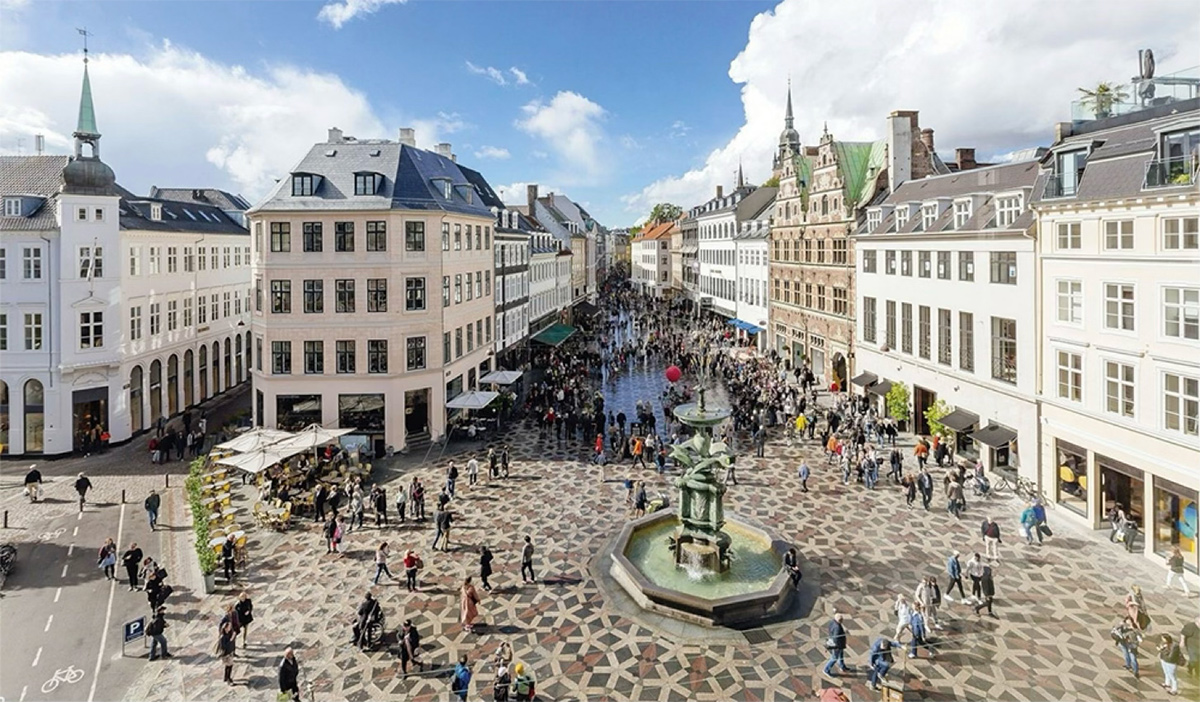
The City Food Policy Project is working with partners to plan the Workshop on Accelerating Sustainable Food Procurement with Enhanced Understanding of Tradeoffs and Opportunities for Regional Partnerships, to be held in the summer of 2025 in Copenhagen, Denmark. The 3-day workshop will explore a coordinated research and implementation project focused on sustainable public food procurement (SPFP) across key cities in Europe, North America, Latin America, Asia and Africa. The three-day workshop will be led by the CFPP, a workshop organizing committee, and hosted by the Municipality of Copenhagen’s SPFP program led by Betina Bergmann Madsen. The purpose of the workshop is to design a new community of practice that integrates research with planning and implementation of city-led SPFP efforts that contribute to sustainability goals through collaboration between municipalities, regional stakeholders, and research organizations.
The opportunity?
SPFP strategies have become widespread among municipal governments around the world. Though there is a large body of research evaluating the impacts of these policies, they focus on specific types of impacts such as environmental, child nutrition, or economic. There have been no peer-reviewed, integrated, system-wide assessments of SPFP policies.
This workshop will bring together cities, researchers, international development organizations, private sector stakeholders, and funders to co-create opportunities to understand tradeoffs that result from SPFP policies and implementation.
The workshop has four objectives, including:
- Cross-city learning: Identify specific SPFP actions, including intersections with the private sector, that will be prioritized by the participating cities over the coming three years to determine areas of shared learning opportunities;
- Regional governance and collaboration: Compare strategies to engage regional supply chain stakeholders that impact and are impacted by public food procurement policy actions to concomitantly promote healthy eating, and regenerative agriculture;
- Replicable modeling tools to understand impacts and tradeoffs: Determine opportunities to extend the modeling efforts of the City Food Policy project to other cities, in order to derisk city food policy through enhanced understanding of tradeoffs;
- Project implementation: Finalize a plan to seek funding for next steps, including defining key roles, identifying funding sources and a timeline for implementation, recruitment of change agents and decision-makers.
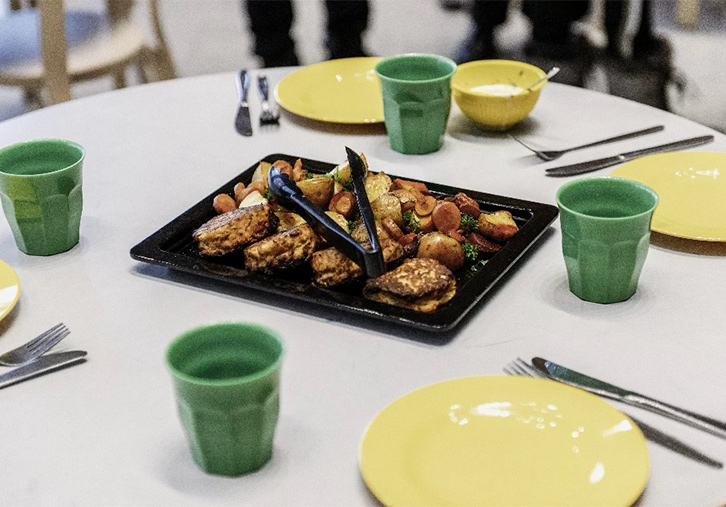
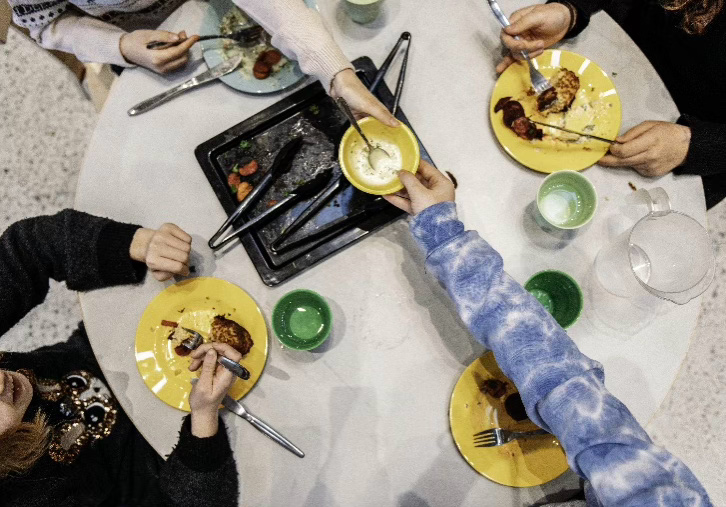
School lunch in Copenhagen
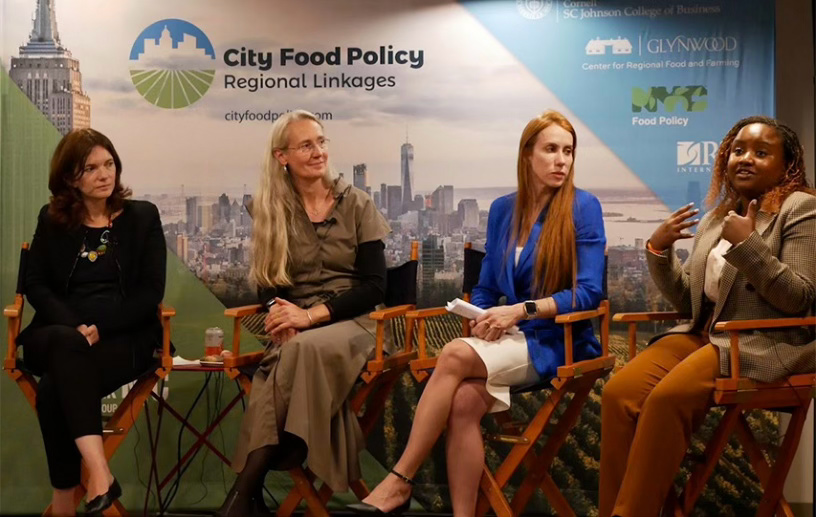
International Advisors presenting during Climate Week 2024
Where to Find Us
In the coming months the CFPP Team will be sharing its work and participating in conversations that address values-based procurement, discussions about how institutional markets can support mid-scale agriculture, and how extension can support sustainable urban food systems, including the role of regional stakeholders and supply chains.
- April 7th Northeast Farm to Institution Summit, Portland ME
- April 21st Ag of the Middle Inservice, Virginia Tech, Blacksburg, VA
- April 22-25th Extension Foundation. Sustainable Urban Food Systems Work Group, Huntsville, AL
- May 6th Values Based Procurement Learning Network Meeting, virtual
- May 12-13th NY Health Foundation’s Food Systems Planning Convening, Cold Spring, NY
In our next What’s New, CFPP will share our learnings from these convenings and from our interviews with distributors and processors working along the cabbage and leafy green supply chains. Follow this link to receive regular updates about CFPP.